Meet the author
Rasmus Østergaard is an editor and journalist at Just Add People. Rasmus is responsible for making useful information about the hairdressing profession and the beauty industry easily accessible to everyone.
Ergonomics
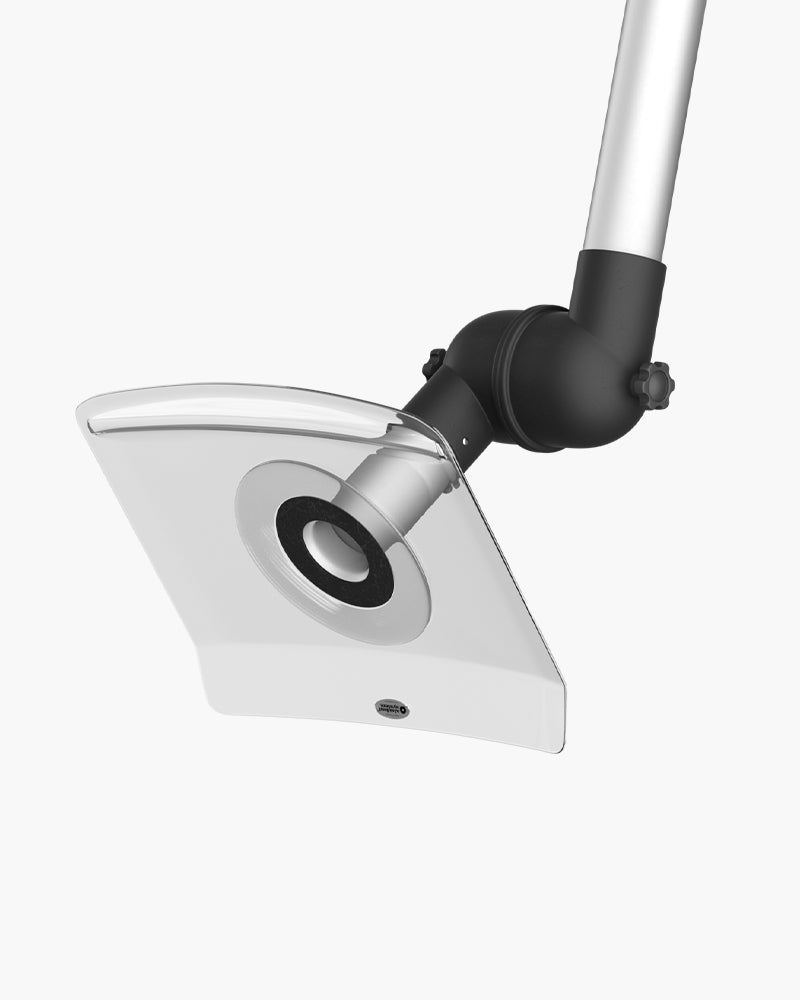
Good air quality is an important part of a healthy working environment, and for Hairdressers it's especially important. Chemical fumes from dye, perm solution and aerosols from styling products can make the indoor climate heavy and potentially harmful to health. That's where professional extraction comes into play as an effective solution that creates a better and safer everyday experience for both Hairdresser and client.
03. March 2025
When we talk about improving the air in a salon, you often encounter two terms: exhaust and ventilation. Here’s the difference:
Separately, ventilation and exhaust do different things, but in a salon it can be beneficial to have both: general ventilation to keep the air “fresh” and local extraction to capture harmful vapors where they originate.
According to the Danish Working Environment Authority’s guidelines, workplaces must have sufficient air exchange to ensure a healthy work environment. For Hairdressers who work with chemicals, it’s even more important to be aware of:
If these requirements are not met, the salon risks more than just remarks from the labor inspectorate.
By extracting vapors and aerosols at the source, the risk of allergies, respiratory irritation, headaches and other health problems from long-term exposure is minimized.
Cleaner indoor air makes it more comfortable to work in the salon all day. That means fewer issues like fatigue and irritation in the eyes or throat.
By installing local extraction — especially where chemicals are mixed — you’re one step closer to meeting the industry’s work environment requirements.
Customers experience a salon with fresher air and less “chemical” smell, which can be crucial for repeat business.
The price of a local extraction system can vary widely depending on size, capacity and installation. However, it’s important to see it as a long-term investment in workplace safety, employee well-being and customer experience. Ultimately, a good extraction system is cheaper than the consequences of poor indoor air — both in terms of employee sick leave, complaints and, in the worst case, legal consequences from breaching work environment legislation.
Exhaust in hair salons isn’t just about avoiding bad smells — it’s an active effort to protect stylists and clients from harmful substances and create a more comfortable workplace. With local extraction you can stop the problem at the source and ensure the salon meets current legislation and best possible work environment standards. Buy professional local extraction here.
Do you have questions about extraction, ventilation or other aspects of a healthy indoor climate in the salon? Contact us for more information or a chat about how to best implement professional solutions tailored to your salon’s needs.
Rasmus Østergaard is an editor and journalist at Just Add People. Rasmus is responsible for making useful information about the hairdressing profession and the beauty industry easily accessible to everyone.